
Old ungrounded outlets from the 1960s and 1970s are still found in hundreds of thousands of Swedish homes. With more and more home electronics, such as computers, chargers, and media receivers, the risks increase rapidly. Here is everything you need to know about grounding ungrounded outlets.
What is an ungrounded outlet and why is it dangerous?
A grounded outlet of the Schuko type has three connections, which are phase, neutral, and protective ground (the visible metal clips on the rim). The protective ground leads dangerous fault current directly to ground if something goes wrong inside an appliance.
An ungrounded outlet has only two holes and completely lacks this third conductor.
What happens during an electrical fault without a ground?
If the insulation fails inside a vacuum cleaner, toaster, or computer and the outlet is ungrounded, the appliance's entire metal casing can become live. You won't notice anything until you touch the appliance and close the circuit through your own body.
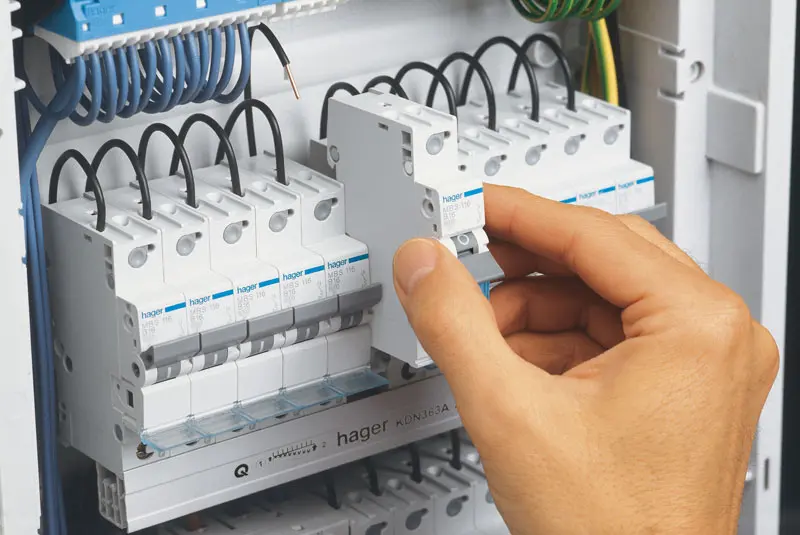
With a grounded outlet in combination with a residual-current device (RCD), the current is carried away immediately and the RCD trips within 30 milliseconds, preventing harm.
Risks with Ungrounded Outlets in 2026
| Risk | Ungrounded outlet | Grounded outlet plus RCD |
|---|---|---|
| Electric shock upon cable break | ⚠️ Dangerous, no safety switches trip | ✅ RCD trips |
| Damage to electronics | ⚠️ Static discharges damage sensitive electronics | ✅ Static electricity is led to ground |
| Fire risk | ⚠️ Leakage current can cause overheating | ✅ Fault current is safely led away |
| Modern appliances | ⚠️ Peripherals cannot be connected correctly | ✅ Works correctly |
The Electrical Safety Board's rules, when must you ground?
Existing ungrounded outlets in an unchanged installation are not covered by any immediate regulatory requirement for action, so you are not forced to ground the whole house if you do not make changes.
However, you must ground at the following occasions:
- Renovation of rooms with water, such as kitchen, bathroom, and laundry room, where it is always a requirement
- Changing to tiles, stone, or other conductive floor coverings
- Installation of underfloor heating, EV chargers, or similar fixed equipment
- If you have confirmed an electrical fault or if the RCD trips due to leakage current
Important: You may not mix grounded and ungrounded outlets in the same room. Either the whole room is grounded, or none at all.
What does it cost to ground outlets?
The cost depends on whether the existing conduit can be used to pull in the new yellow-green protective conductor, or if new surface-mounted cable must be installed.
| Action | Price (gross) | With ROT (-30%) |
|---|---|---|
| Ground 1 room with existing conduit (3–4 outlets) | 4,000–7,000 SEK | 3,000–5,300 SEK |
| Ground 1 room without conduit (new cable tray) | 7,000–12,000 SEK | 5,300–9,000 SEK |
| The whole villa (6–8 rooms) rewiring | 35,000–75,000 SEK | 26,000–57,000 SEK |
| Per outlet (included in the group above) | 800–1,500 SEK | 600–1,100 SEK |
The ROT deduction gives a 30% discount on the electrical installer's labor cost.
Step by step, this is how grounding is done
- Inspection: The electrician checks existing empty conduits with fish tape or an endoscope
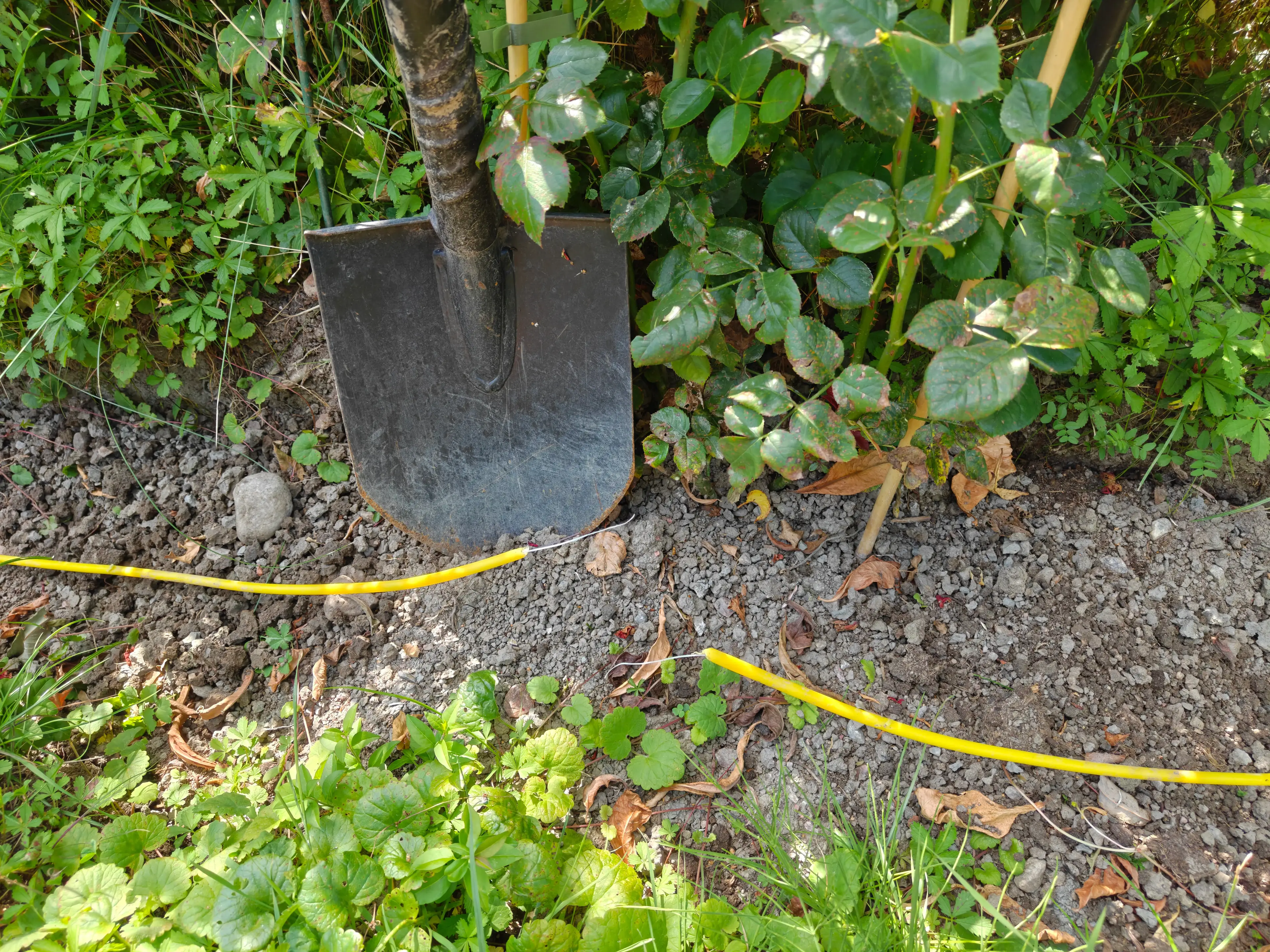
- Cable pulling: The yellow-green protective conductor is pulled into the conduits from the electrical panel
- Boxes opened: All outlets and junction boxes in the room are opened
- Protective conductor connected: The ground screw in each box is connected to the new conductor
- Grounded outlet mounted: Old ungrounded outlets are replaced with modern Schuko outlets
- Control measurement: Continuity and insulation resistance are measured and documented
Frequently Asked Questions about Grounding Outlets:
Can I just change the outlet to a grounded one without running a new cable?
No, you cannot create ground simply by replacing the outlet insert. Without a protective conductor pulled to the box, a grounded outlet is directly life-threatening because the appliance still lacks protection and you get a false sense of security.
What is a false ground?
An adapter or coupling that converts an ungrounded connection to a grounded one without an actually connected protective conductor is life-threatening. Never use such solutions.
Is an RCD sufficient instead of grounding the outlets?
An RCD protects against dangerous leakage currents but does not replace the protective ground in the outlets. They complement each other and should be present together for a safe installation.
Need help with this?
Get a free quote from our certified electricians. We usually respond within 48 hours.
Free QuoteTime to Ground the Outlets?
We inspect the conduits, pull in the protective conductor, and install modern Schuko outlets throughout the home, with a warranty and ROT deduction. Contact us for a free price quote.